Green Electricity
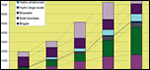
Everyone knows that the cheapest way of doing something can turn out to be very expensive in the end. The decision to make Ireland ’s electricity system so reliant on gas is about to bear this principle out. By Richard Douthwaite.

Welcome to the archive of Construct Ireland, the award-winning Irish green building magazine which spawned Passive House Plus.
The feature articles in these archives span from 2003 to 2011, including case studies on hundreds of Irish sustainable buildings and dozens of investigative pieces on everything from green design and building methods, to the economic arguments for low energy construction.
While these articles appeared in an Irish publication, the vast majority of the content is relevant to our new audience in the UK and further afield. That said, readers from some regions should take care when reading some of the design advice - lots of south facing glazing in New Zealand may not be the wisest choice, for instance.
Dip in, and enjoy!
Everyone knows that the cheapest way of doing something can turn out to be very expensive in the end. The decision to make Ireland ’s electricity system so reliant on gas is about to bear this principle out. By Richard Douthwaite.
If the issue of sustainability is to truly be on the agenda in terms of construction and development, it is nowhere more evident than in how we approach insulation. Recognition of the economic and environmental benefits of properly insulating our buildings is being called for by experts on environmentally conscious construction, such as RTE TV presenter Duncan Stewart
Passive houses have long been considered the ultimate in low energy buildings. So when it comes to BERs, why don’t they always get a straight A? Lenny Antonelli investigates.
Built on stilts, entirely encased in recycled newspaper insulation on all sides, and designed to be easily taken apart so that its constituent elements can be reused once it reaches its end of life, Portlaoise Locomotive Drivers Building could hardly be more green. But it is – it’s a certified passive house. Iarnród Éireann senior architect David Hughes explains how such a sustainable exemplar came to be.
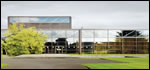
The Carroll’s cigarette factory in Dundalk has been reborn as an avant garde exemplar of wind energy storage and an ingenious approach to integrated heating, ventilation and cooling, as sustainable design expert Chris Croly of BDP explains.
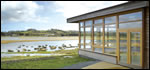
Designing a low-energy public building with passive ventilation and lighting in mind is one thing – making it fit seamlessly into a rural wetland environment is quite another. Lenny Antonelli visited the award-winning Ballybay Wetlands Centre in County Monaghan - a closed-panel timber frame structure designed to sit softly on the surrounding landscape.

In this special feature, Construct Ireland draws from the views, hopes and concerns of four people ideally poised to comment on the implications this directive will have on how we design, construct, renovate, manage and think about buildings in Ireland.
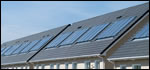
The mainstreaming of sustainable building technologies is manifesting itself in a growing number of developers seeking to find the greener option. Jason Walsh describes a recent project where airtight timber frame construction meets high-tech solar thermal in a North Dublin House of Tomorrow funded scheme which is delivering low carbon results

Invest NI has itself invested in a new headquarters in central Belfast that it hopes will be seen as a model for sustainable development, as Richard Linger, Sustainability Director, White Young Green Ireland explains.