From the Construct Ireland archives


Welcome to the archive of Construct Ireland, the award-winning Irish green building magazine which spawned Passive House Plus. The feature articles in these archives span from 2003 to 2011, including case studies on hundreds of Irish sustainable buildings and dozens of investigative pieces on everything from green design and building methods, to the economic arguments for low energy construction. While these articles appeared in an Irish publication, the vast majority of the content is relevant to our new audience in the UK and further afield. That said, readers from some regions should take care when reading some of the design advice - lots of south facing glazing in New Zealand may not be the wisest choice, for instance. Dip in, and enjoy!

Green Gains

O310-GreenGainsTITLE.jpg
In spite of the obvious emergence of technologies and design approaches to reduce the impact of new build, environmental standards remained poor throughout the duration of the housing boom. Now, a unique combination of political will, smart incentives, and a new market of informed and empowered buyers may be about to change that, writes Lenny Antonelli
A Class Apart

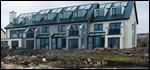
Galway Bay Solar Apartments
Kevin O’Flaherty’s
development overlooking Galway Bay combines impressive energy saving techniques with the sorts of features that buyers of high-spec homes have grown to expect, as John Hearne discovers.

Critical mass

Critical Mass
Thermal mass can significantly influence a building’s space heating requirement – in some cases the effect is to increase it, and in others to reduce it. Leading energy consultant Ciaran King of Emerald Energy explains how this occurs, and by describing an assessment of the topic, provides some rules of thumb regarding when thermal mass may be beneficial, and when it may be detrimental.

Super E

0205superetitle.jpg
Marie Stamp, Senior Trade Commissioner at the Canadian Embassy, Dublin, discusses the merits of Super E home build.

King of the castle

Ireland's largest passive house development to date, Shanganagh Castle, is proof that with proper planning and collaboration, delivering high density housing doesn’t mean compromising on quality or climate action – without increasing costs or causing delays.

BEMS - Building Energy Management Systems

0205bemstitle.jpg
Commercial, industrial and institutional buildings use a great deal of energy to ensure the comfort of the occupants and the efficient operation of their businesses. Building Energy Management Systems (BEMS) enable building owners to use this energy efficiently, as Sustainable Energy Ireland’s Chris Hughes explains

International selection

Moy Isover International awards
Innovative low energy construction is rarely recognised on a European scale. The Isover Energy Efficiency Awards are one exception — here are nominations from across the continent that were celebrated at the European awards ceremony in Barcelona on 2 June

Telling it Like it is

0206planningtitle.jpg
Iain Douglas, President of the Irish Planning Institute reveals his views on the state of planning in Ireland, and the factors which could not only damage the environment in Ireland, but also cause social segregation, and aid unsustainable development across Ireland

A Breath of Fresh Air

O310-BreathOfFreshAirTITLE.jpg
Prestige commercial buildings can place a heavy toll on the environment, typically relying in Ireland on carbon intensive grid electricity to power air conditioning systems throughout the warmer parts of the year and inefficient electric lighting – often all year around. Completed in November 2004, software company SAP’s Galway offices offer a rare opportunity to find out how a natural ventilated and low energy lighting building is working in practice, as John Hearne reveals.

Gimme shelter

Gimme Shelter
Designing a low energy building when you've got unlimited space is one thing – but what if you need to make your walls thin to maximise space on a small site in an architectural conservation area? Lenny Antonelli visited a new St Vincent De Paul sheltered housing project that fit a lot of sustainable features on to a small plot in Dublin's north inner city.