G rated Limerick home upgraded to A3
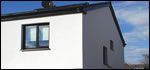
G rated Limerick semi-d upgraded to A3 with full envelope & heating system upgrade

Welcome to the archive of Construct Ireland, the award-winning Irish green building magazine which spawned Passive House Plus.
The feature articles in these archives span from 2003 to 2011, including case studies on hundreds of Irish sustainable buildings and dozens of investigative pieces on everything from green design and building methods, to the economic arguments for low energy construction.
While these articles appeared in an Irish publication, the vast majority of the content is relevant to our new audience in the UK and further afield. That said, readers from some regions should take care when reading some of the design advice - lots of south facing glazing in New Zealand may not be the wisest choice, for instance.
Dip in, and enjoy!
G rated Limerick semi-d upgraded to A3 with full envelope & heating system upgrade
Sustainable Energy Ireland was initially criticised by some quarters for the lack of vetting of renewable energy installers registered under the Greener Homes Scheme. However, the recent introduction of mandatory training for those on the register has also proven controversial, writes Lenny Antonelli.

Can a supermarket be green? Tesco's new store in Tramore, County Waterford suggests that, at least in terms of the building it’s housed in, the sky’s the limit. Jason Walsh visited a building which meets passive house standards and demonstrates impressive attention to sustainability throughout its design.

Little did we know when campaigning for the Fingal energy standard in 2005-06 that Construct Ireland would have a direct impact on Ikea’s first Irish store. Driven by a combination of Fingal’s requirements and their own renewable energy policy, the Swedish retail giant has invested in the largest ground source heat pump installation in Ireland and the UK, along with a well-thought biomass system fed by an onsite waste stream and a host of other green measures, as John Hearne reports
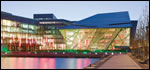
Number Two Grand Canal Square office, completed in September 2009 and substantially occupied by law firm Byrne Wallace in August this year, set a landmark in commercial office development by combining world-class design with sustainability - reconciling the architecture of Daniel Libeskind with achieving both a Breeam Excellent rating and an A3 BER certificate. Paul Dunne, sustainability and M&E director for Arup, outlines some of the project’s history and its achievements

The announcement in 2007 of the introduction of Smart electricity metering led to widespread hope that Ireland could set a global example by empowering consumers to cut electricity use and generate their own renewable electricity. John Hearne investigates current progress on the initiative, and discovers signs that Ireland’s approach to smart metering could represent a missed opportunity.
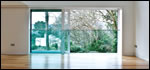
Killiney is an area known for both its natural beauty and the desirability of the existing built environment. Jason Walsh visited two new houses in the exclusive south County Dublin village which show it as being at the forefront of the drive to create a lasting beauty.
The cement industry is well known as being amongst the worst culprits for emitting CO2, a seemingly unavoidable side effect of its production. However, as Peter Seymour, Business Development Manager with Ecocem Ireland Ltd explains, there is a strong, eco-friendly competitive alternative to Portland cement that is being specified in a variety of high profile construction projects in Ireland.

Fingal County Council have clearly shown a laudable commitment to innovation by introducing a mandatory planning requirement for seven areas that all new developments reduce energy use and C02 emissions relating to space & water heating to 60% below Building Regulations requirements, with 30% of space & water heating coming from renewable energy sources