From the Construct Ireland archives


Welcome to the archive of Construct Ireland, the award-winning Irish green building magazine which spawned Passive House Plus. The feature articles in these archives span from 2003 to 2011, including case studies on hundreds of Irish sustainable buildings and dozens of investigative pieces on everything from green design and building methods, to the economic arguments for low energy construction. While these articles appeared in an Irish publication, the vast majority of the content is relevant to our new audience in the UK and further afield. That said, readers from some regions should take care when reading some of the design advice - lots of south facing glazing in New Zealand may not be the wisest choice, for instance. Dip in, and enjoy!

Super powers

Super Powers
The development of sustainable building in Ireland has had to wait for the public to become concerned about energy supply, climate change, and the implications of living in draughty, damp buildings.  Much of the established low energy know-how emanates from countries where cold winters drove innovation. Drawing from 50 years of research and development between the Canadian government and housing industry, the Super E programme may be just what Ireland needs, as John Hearne discovered at a new development in Rosslare.
Local Hero

Louth area offices with low environmental impact
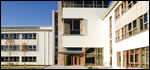
In many ways local authorities have become some of Ireland’s most progressive developers. Jason Walsh visited Ardee, County Louth to look at the latest in a long line of new civic offices that are redefining local government in sustainable terms.

Slane barn retrofit

Slane Barn
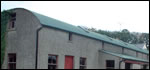
Renovated agricultural barn marries its traditional look with modern green features

Acquired taste

Acquired-Taste
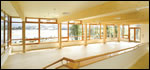
The Department of Agriculture’s new Food Safety Centre is a deceptively simple building that combines natural ventilation and lighting with energy efficiency - all on a designed natural landscape that seeks to both boost biodiversity and prevent flooding. Lenny Antonelli visited the County Kildare site to find out more

Bio Logic

Protecting occupant health with building biology
Stricter air-tightness standards might be helping to reduce energy use in new build, but is it leading to higher indoor concentrations of chemical and biological toxins? Lenny Antonelli investigates an emerging approach to building that is combining attention to environmental impact with consideration for the potential health effects of modern building materials and practices.

Solvent green

0406-Solvent-Green-SMALL.jpg
The market for new residential build may have bottomed out, but compared to the rest of the construction industry the sustainable building sector appears buoyant. Changing market conditions, various government incentives and updated building regulations are all helping greener building companies - but with few houses likely to be built this year and capital restricted, challenges still lie ahead. Lenny Antonelli reports

King of the castle

Ireland's largest passive house development to date, Shanganagh Castle, is proof that with proper planning and collaboration, delivering high density housing doesn’t mean compromising on quality or climate action – without increasing costs or causing delays.

Southern comfort

Timber eco home fuses south facing with south Dublin
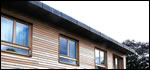
Sustainable building at its best is about much more than just energy and carbon emissions, and involves considering location, form, orientation and the use of healthy, environmentally friendly materials. Mike Haslam of trail-blazing ecological architects Solearth describes a family home which scores highly on every front

Critical mass

Critical Mass
Thermal mass can significantly influence a building’s space heating requirement – in some cases the effect is to increase it, and in others to reduce it. Leading energy consultant Ciaran King of Emerald Energy explains how this occurs, and by describing an assessment of the topic, provides some rules of thumb regarding when thermal mass may be beneficial, and when it may be detrimental.