Warning
  • JUser: :_load: Unable to load user with ID: 222

From the Construct Ireland archives


Welcome to the archive of Construct Ireland, the award-winning Irish green building magazine which spawned Passive House Plus. The feature articles in these archives span from 2003 to 2011, including case studies on hundreds of Irish sustainable buildings and dozens of investigative pieces on everything from green design and building methods, to the economic arguments for low energy construction. While these articles appeared in an Irish publication, the vast majority of the content is relevant to our new audience in the UK and further afield. That said, readers from some regions should take care when reading some of the design advice - lots of south facing glazing in New Zealand may not be the wisest choice, for instance. Dip in, and enjoy!

Energy Performance of Buildings Directive

0210EPBDtitle.jpg
As the January 2006 deadline for implementation of the EU Directive on the Energy Performance of Buildings draws ever nearer, the Irish Government has spelt out its plans to delay the across the board introduction of building energy ratings until 2009. But how does this compare to other EU Member States?
Winning Combination

0311-WinningCombinationTITLE.jpg
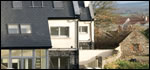
A new development in the historic town of Thomastown, County Kilkenny brings the cutting edge of green innovation into a setting known for its medieval heritage. John Hearne visited the site, where a commitment to the environment is evident in sustainable design combined with everything from airtight detailing to technologies such as factory insulated timber frame, low energy windows, solar thermal, photovoltaic and heat recovery ventilation

Hempcrete retreat

Hempcrete
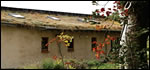
No matter how energy efficient a building method is, constructing a house from scratch will always cause some damage to the environment - but what if a building material could absorb more carbon than it causes to be released over its life cycle? Lenny Antonelli visits a hempcrete house in Co. Down that seeks to trial this innovative method of building

Opinion

Opinion-SMALL.jpg
Ramon Arratia, sustainability director for InterfaceFLOR in Europe, Middle East, Africa & India

Breaking the mould - part III

Breaking the mould
In April this year the first NSAI Agrément certificate was issued for the application of external insulation to existing dwellings. Joseph Little of leading green architects Joseph Little Architects used analysis from his practice’s Building Life Consultancy service to assess the certificate, and encountered issues which raised questions over whether it should have been issued in its current form.

Solid as a rock

Solid as a rock
With over twenty years of design behind him, architect Martin Meyer has tackled plenty of big projects in his time, but his first home renovation challenge – to turn a dank 19th century red-brick house into a bright energy efficient home – was still eye-opening. Lenny Antonelli reports.

Green power

Eamonn Ryan and John Gormley
Newly elected Green Party Ministers John Gormley & Eamon Ryan talk to Construct Ireland about their vision for a sustainable future.

Creature comforts

DRUMSHAMBO VETERINARY OFFICE MERGES ARCHITECTURE AND ENVIRONMENT
Not only does the new OPW-designed district veterinary office in Drumshanbo Co. Leitrim place strong emphasis on natural ventilation and lighting, it rests comfortably in the rural landscape and boats commendable green features too. Lenny Antonelli reports

Heat of the Moment

Heating Technologies Explained
John Hearne spoke to a number of independent energy experts to develop an impartial view of the main sustainable heating options.

Private joke

Public private partnership schemes have come to dominate many aspects of Irish infrastructural development, from toll roads to urban regeneration schemes
Public private partnership schemes have come to dominate many aspects of Irish infrastructural development, from toll roads to urban regeneration schemes. Jason Walsh asks if they amount to privatisation by stealth and whether they come at too high a social and environmental cost.