Passive mixed development
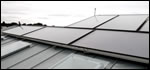
Foxrock passive development built with externally insulated poroton & aircrete blocks along with timber frame

Welcome to the archive of Construct Ireland, the award-winning Irish green building magazine which spawned Passive House Plus.
The feature articles in these archives span from 2003 to 2011, including case studies on hundreds of Irish sustainable buildings and dozens of investigative pieces on everything from green design and building methods, to the economic arguments for low energy construction.
While these articles appeared in an Irish publication, the vast majority of the content is relevant to our new audience in the UK and further afield. That said, readers from some regions should take care when reading some of the design advice - lots of south facing glazing in New Zealand may not be the wisest choice, for instance.
Dip in, and enjoy!
Foxrock passive development built with externally insulated poroton & aircrete blocks along with timber frame

The Passive House standard, an internationally renowned approach to building that negates the need for conventional heating, has attracted considerable interest in Ireland recently as energy prices continue to rise. Vivienne Brophy, Dr Irena Kondratenko, Patxi Hernandez and Kevin Burke of UCD’s Energy Research Group look at the effect this approach could have on cutting Ireland’s energy consumption and CO2 emissions.

Thanks to the ESCo model, one school in Donegal has gone green, seen its heating bills reduced by 15% yet has not had to outlay one cent in capital expenditure. John Hearne investigates an emerging trend that is bringing low carbon energy into another realm.

U-value alone is a blunt instrument for gauging the thermal performance of a building. Ground-breaking eco architects Joseph Little and Benat Arregi of Building Life Consultancy explain why our increasingly ambitious insulation efforts must involve a rigorous attention to thermal bridging if we’re serious about creating low energy, healthy buildings.



In this special feature, Construct Ireland draws from the views, hopes and concerns of four people ideally poised to comment on the implications this directive will have on how we design, construct, renovate, manage and think about buildings in Ireland.